Graphic Recording: The Evidence-Based Case for Skeptics
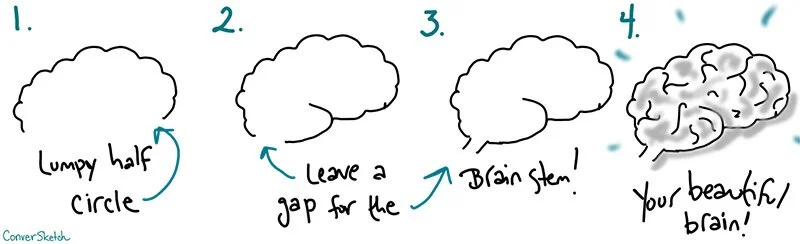
When I get to work with scientists like CSU veterinarians, I’ll often get some skeptical looks when people first walk in. I love this because, with a background in science communication, it’s an opportunity for participants to experience their own ideas visualized to support deep thinking in a beautiful way.
I’ve written about the science behind graphic recording before, and have a list of publications and books on my Resources page. Today, I’m back with some recent publications examining graphic recording through the lens of cognitive science and neurological research.
The memory benefits of using visual thinking are quantifiable. A study published in Applied Cognitive Psychology found that participants encouraged to doodle during information intake recalled 29% more content in subsequent testing [1]. This aligns with one of my favorites - Dual Coding Theory[2]- which demonstrates that information presented both visually and verbally creates stronger, more accessible memory traces than either modality alone.
Visual thinking is hardwired into our brains, and neuroscience research from 2023 confirms this extends beyond simple visual processing—the visual cortex is central in memory formation, language processing, and how we represent abstract concepts[3]. All of which are augmented with graphic recording.
Research in organizational psychology confirms these individual benefits scale for groups too. Recent studies on collaborative visualization (2022) demonstrate that visual tools significantly enhance team engagement and cross-cultural communication, particularly in virtual environments[4]. IEEE research from 2022 explores graphic facilitation adoption specifically in engineering workflows—demonstrating its value in rigorous technical contexts[5]. Technical content? Count me in.
So, if you thought visual facilitation was just about aesthetics, think again. It's about leveraging cognitive science to enhance collaborative thinking and to make the most of your team’s valuable time and energy. Psst…here’s a post for how to explain the value to decision-makers.
Thank you for your collaboration, humor, and what you do to make the world a better place.
Cheers,

[1] Andrade, J. (2010). "What does doodling do?" Applied Cognitive Psychology, 24(1), 100-106.
[2] Paivio, A. (1971). Imagery and Verbal Processes. New York: Holt, Rinehart, and Winston.
[3] Bracci, S., & Op de Beeck, H. (2023). "Understanding Human Object Vision: A Picture Is Worth a Thousand Representations." Annual Review of Psychology, 74, 113-135.
[4] Osipovskaya, E., & Lukač, D. (2022). "Collaborative visualization supports cross-cultural communication and student engagement." Educational Technology Research.
[5] Govindarajan, U. H., et al. (2022). "Graphic Facilitation in the Engineering Workflow." IEEE Engineering Management Review, 50(3).
Where in the World is ConverSketch?
ConverSketch is 14: Thank you for over a decade of making meetings and events better through visual thinking! I couldn’t do it without you, and I’m so proud to have the privilege to partner with clients like you!
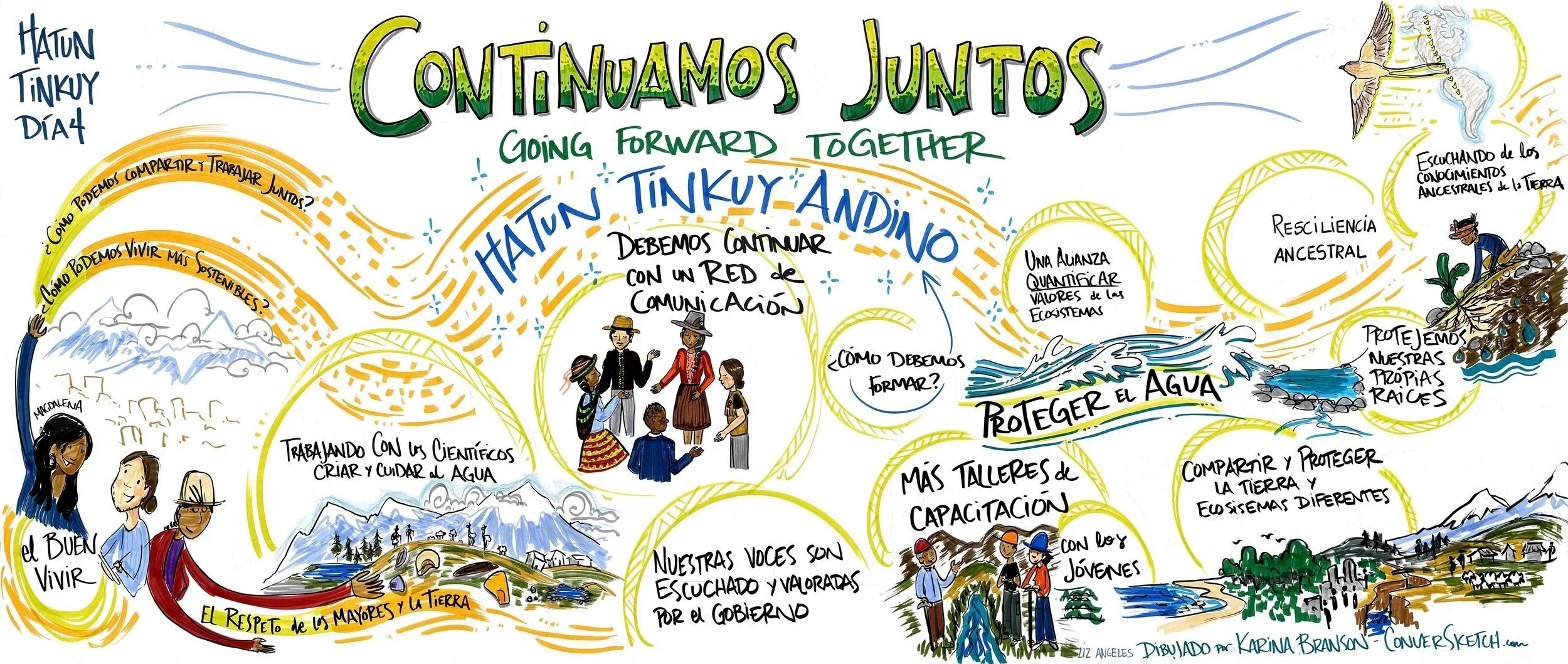
Hatun Tinkuy Video: In December 2024, I had the joyful privilege of traveling to Huaraz, Peru to support a collective of indigenous people from different mountain communities around the world, as well as researchers working in human and environmental mountain communities. The group produced this video highlighting some of the work and experiences we shared together.
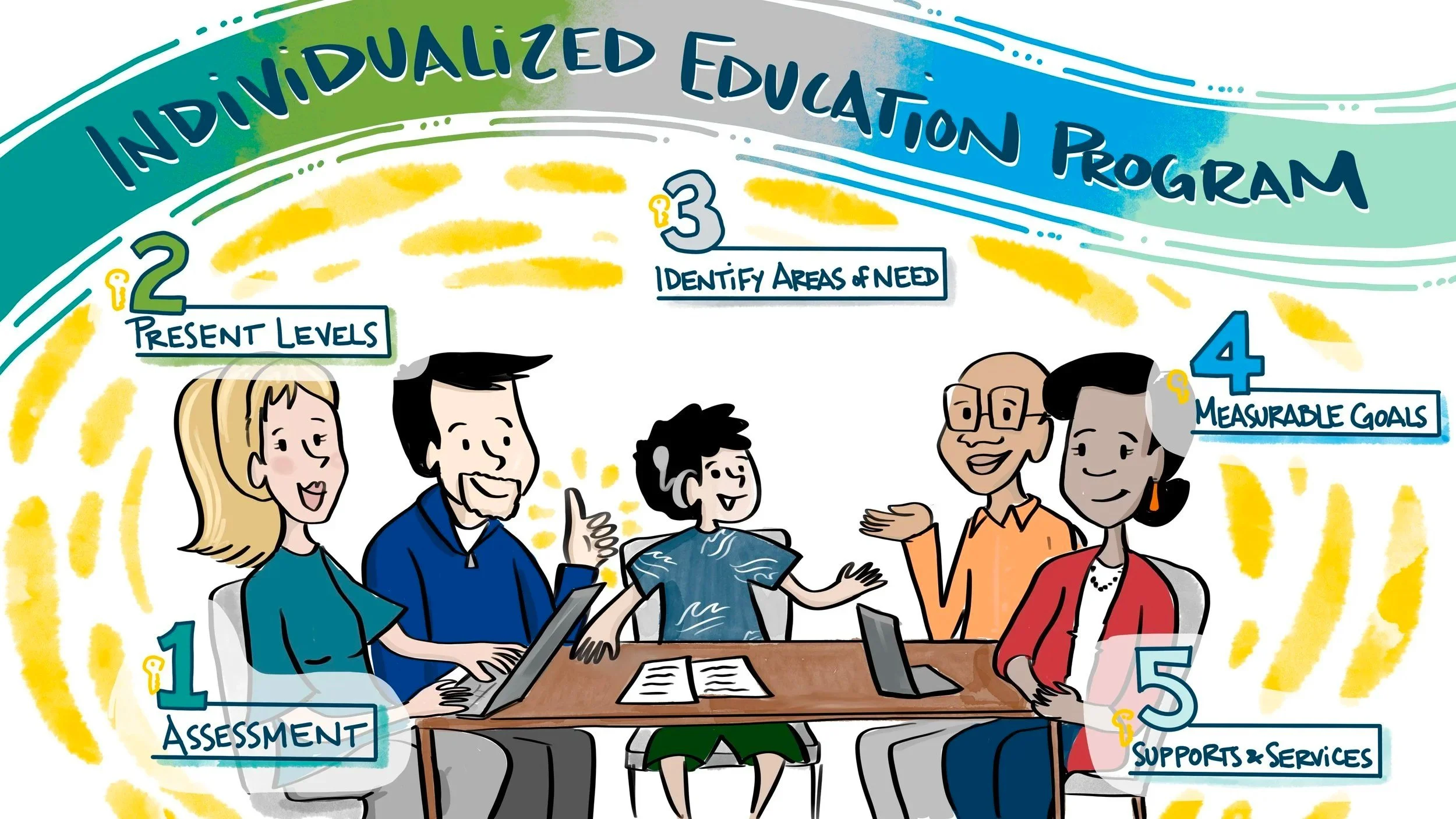
IEP Video Series is Complete: All seven (!) videos exploring the why, what, and who behind high-quality Individualized Education Programs for students with disabilities. You can watch them all here.